- Red wine
-
-
- Countries
- ItalyItalian Red Wine: Sangiovese and Nebbiolo as a Symphony of Flavor Dive into the refined world of Italian red wine, where Sangiovese and Nebbiolo grapes create a symphony of flavor. These characterful grape varieties, with their deep complexity and rich aromas, form the heart of the enchanting red wines that make Italy known worldwide. Terroir of Italy: From Sunny Hills to Cool Alpine Edges Explore the varied terroir of Italy. The vineyards stretch from the sunny hills of Tuscany to the cool Alpine edges of Piedmont. Each wine region contributes to the diversity of Italian red wines, with unique flavor profiles that resonate with the local terroir elements. Wine Regions in Italy: Tuscany, Piedmont, and Veneto in the Spotlight Travel through the acclaimed wine regions of Italy, where red wine traditions are deeply rooted. From the noble wines of Tuscany, such as the famous Brunello di Montalcino. Powerful Barolos from Piedmont and the luscious Amarone from Veneto. Each region has its own story to tell. Discover the magic behind the red wines that put Italy on the world map. History of Italian Wine: A Cultural Treasure of Ancient Heritage. Let yourself be swept away by the centuries-old history of Italian red wine, deeply rooted in the country's culture…
- FranceFrench Red Wine: Cabernet Sauvignon and Merlot as Icons of Taste Dive into the refined world of French red wine, where Cabernet Sauvignon and Merlot shine as icons of taste. These grape varieties form the essence of the rich and complex red wines that make France world-famous. Terroir of France: A Patchwork of Unique Soils and Climates Explore the diverse terroir of France, where each wine region leaves its unique mark on the grapes. From the chalky soils of Burgundy to the gravelly plateaus of Bordeaux, understand how the terroir distinguishes French red wines and shapes their specific character. Wine Regions in France: Bordeaux, Burgundy, and Rhône in the Spotlight Travel through the famous wine regions of France, where the red wine tradition is deeply rooted. From the prestigious vineyards of Bordeaux to the picturesque hills of Burgundy and the sunny plains of the Rhône, each region promises unique red wine experiences. Discover the secrets behind the wines that have made these regions world-famous. History of French Wine: An Experience Dating Back to Roman Times. Let yourself be carried away by the centuries-old history of French red wine, where viticulture finds its origins in Roman times. Discover how France acted as a pioneer…
- SpainSpanish Red Wine: A Passionate Dance of Grapes and Terroir Immerse yourself in the passionate world of Spanish red wine, where the dance of grapes and terroir leads to wines that reflect the country's rich heritage and diversity. Spain, with its centuries-old wine culture, offers red wines bursting with flavor and character. Grapes of Spain: Tempranillo and Garnacha in the Spotlight Explore the grapes that form the beating heart of Spanish red wine. Tempranillo, with its distinctive tannin structure and vibrant flavors, and Garnacha, which adds depth and warmth, are just a few of the grapes that define the palate of Spanish red wines. Discover how these indigenous varieties, along with others such as Monastrell and Bobal, offer a rich and varied wine experience. Terroir of Spain: From Rioja to Priorat, A Landscape of Contrasts Deep within the Spanish terroir, a landscape of contrasts unfolds. Ranging from the traditional vineyards of Rioja to the steep slopes of Priorat. The terroir of Spain, with its diverse soil compositions and climates, influences the red wines in a unique way, allowing them to display an expression of their origin. Wine Regions in Spain: Rioja and Ribera del Duero in the Spotlight. A journey through the iconic…
- Germany
- South-AfricaSouth African Red Wine: An In-Depth Dive into Grape Splendor and Terroir Enter the captivating world of South African red wine, where grape splendor and terroir expression come together to create wines that possess depth, character, and a touch of South African soul. Discover the rich varieties, the unique terroir, and the history that define the red wines from this enchanting country. Grapes of South Africa: Pinotage and Cabernet Sauvignon in the Spotlight Discover the grapes that form the heart of South African red wine. Pinotage, the proud indigenous variety, brings dark fruit and a spicy character, while internationally beloved Cabernet Sauvignon adds depth and structure. Together with Merlot and Shiraz, these grapes form the essence of the South African red wine experience. Terroir of South Africa: From Stellenbosch to Paarl, A Terroir of Contrasts Deep within the South African terroir, a stunning diversity unfolds, from the hills of Stellenbosch to the plains of Paarl. The terroir of South Africa, with its varying soil compositions and climates, adds a unique character to the red wines. This terroir is reflected in the flavors, ranging from elegant and refined to powerful and robust. Wine Regions in South Africa: Stellenbosch and Franschhoek in the Spotlight. A journey through the renowned wine regions of South Africa, where Stellenbosch and Franschhoek shine as…
- Argentina
- Portugal
- United States
- Countries
-
- Region
- Puglia
- Valpolicella
- BordeauxBordeaux Red Wines: An Exploration of Terroir and Grape Splendor Dive into the intriguing world of Bordeaux red wines. Here, terroir and grapes come together harmoniously to create a unique wine experience. The Southwest of France is home to vineyards with gravelly soils, where the grapes thrive under the influence of a temperate maritime climate. This terroir forms the solid foundation for the characteristic properties of Bordeaux wines. Grape Varieties in Balance Bordeaux encompasses a wide spectrum of grape varieties. Cabernet Sauvignon, Merlot, Cabernet Franc, Malbec, and Petit Verdot take center stage. This diverse blend of grapes adds subtly different elements to the wines. Cabernet Sauvignon brings power, while Merlot provides softness. Cabernet Franc adds a touch of elegance, while Malbec and Petit Verdot offer depth and complexity. Flavor Notes of Bordeaux in the Spotlight The red wines from Bordeaux reveal a rich variety of flavors. Juicy blackcurrants and ripe plums take the leading role, accompanied by light spicy notes and subtle earthy accents. The tannin structure, typical of Bordeaux wines, ensures a balanced texture and promises positive development over time. The finish is long and reveals the depth and complexity of the wine. Timeless Characteristics of Bordeaux Wines What distinguishes Bordeaux wines is…
- BurgundyDiscover the Elegance of Burgundy Red Wine: Terroir of Finesse. Dive into the refined world of red wine from Burgundy. The terroir plays a crucial role in creating these globally acclaimed wines. Burgundy is known for its diverse terroirs, ranging from limestone hills to clay soils. Each subsoil exerts a unique influence on the grapes and the resulting wine. The Grape Palette of Burgundy: Authentic Varieties in the Spotlight. Burgundy’s reputation as a wine region is reinforced by its focus on two key grape varieties: Pinot Noir and Gamay. Pinot Noir dominates in red Burgundy. It reveals its full expression in a range of flavors, varying from juicy cherries to refined earthy notes. Gamay, although less prominent, offers lively and fruity characteristics. These add a unique character to some Burgundian red wines. Taste Buds in Ecstasy: Burgundy’s Delicate Notes. Burgundian red wines are characterized by their delicate and nuanced flavor profiles. Pinot Noir, with its light body and lively acidity, brings out complexity with notes of red berries, strawberries, and sometimes subtle spicy accents. The tannins are often silky, contributing to the elegant structure of the wine. Characteristic Features of Burgundy Red Wines: Subtlety and Refinement Burgundian red wines are often…
- Marche
- California
- Region
-
- Special
- Alcohol-free wineMore and more people are discovering the benefits of alcohol-free wine. Whether you are the designated driver, pregnant, or simply do not want to drink alcohol, at wijnen.nl we have a growing assortment of alcohol-free wines. Nowadays, the quality of alcohol-free wine has improved significantly. This is because regular wine is produced first, from which the alcohol is subsequently removed. This preserves the aromas in the wine. Alcohol-free wine has undergone a huge quality boost, and its popularity is keeping pace. At wijnen.nl, we have a selection of alcohol-free wines that are truly delicious. 100% taste, 0% alcohol. What does alcohol-free wine taste like? Alcohol-free wine tastes different from regular wine. It is also a different product than regular wine. But what does alcohol-free wine taste like? The fact is that we are buying bottles of it more and more often. But what are we actually drinking? Or rather: which one is best to drink? A good alcohol-free wine is light in taste because it lacks the alcohol that makes it somewhat heavier. Wines without alcohol also often taste a bit sweeter. This is because the fruity and sweet flavors are often kept somewhat in the background by the alcohol. So it is not exactly the same as a regular…
- Organic
- Exclusive top wines
- Prize winners
- Small bottles of wineAt wijnen.nl, we also have small bottles of wine. Wine in small bottles is perfect for when a large bottle would sit for too long before being finished. With a small bottle, you never drink old wine that has been sitting for too long, causing the taste to no longer be optimal. We have chosen a wine that you will enjoy drinking. Not the cheapest, but a truly delicious glass! Drink not more, but better!
- Large format wine bottlesLooking to buy wines in large bottle sizes? Wijnclub Amsterdam has a large assortment in stock. At Wijnclub Amsterdam, we have a large selection of wines in stock (perhaps the largest selection in Amsterdam City Centre). This includes wines in large bottles such as: magnum (1.5 liters), jeroboam (3 liters), and rehoboam (5 liters). Are you looking for a large bottle of wine that we do not have in our assortment? Please contact us. We can supply many wines in large sizes upon request. What is the advantage of buying wine in large bottle sizes? Large wine bottles are ideal for special moments and offer not only an impressive presentation but also benefits for the aging and quality of the wine. Whether you are looking for a special gift or organizing a party, large bottles always ensure an unforgettable wine experience. In larger bottles, the wine ages more slowly and evenly. This ensures better flavor development and a longer shelf life. This is particularly ideal for powerful and complex wines, such as Bordeaux, Barolo, and Barno-Amarone, which often benefit from long-term aging. But we also have festive wines such as Champagne, Prosecco, Franciacorta, and Rosé in stock in large bottles in Amsterdam. Magnums: Ideal…
- Discount promotions
- Special
-
-
- White wine
-
-
- Countries
- ItalyItalian White Wine: Pinot Grigio and Garganega as a Melody of Refreshment Step into the enchanting world of Italian white wine, where Pinot Grigio and Garganega create a melody of refreshment and elegance. These grape varieties, accentuated by Italian craftsmanship, form the core of the light and lively white wines that make Italy known worldwide. Terroir of Italy: From Sun-Drenched Vineyards to Cool Alpine Peaks Explore the diverse terroir of Italy, where vineyards stretch from the sun-drenched hills of Veneto to the cool Alpine peaks of Alto Adige. The unique interplay of soil, climate, and altitude gives Italian white wines a distinctive character and a refreshing quality. Italian Wine Regions: Veneto, Friuli-Venezia Giulia, and Trentino-Alto Adige in the Spotlight Travel through Italy's renowned wine regions, where the tradition of white wine production flourishes. From the Veneto region, famous for its sparkling Prosecco, to Friuli-Venezia Giulia with its aromatic wines. But also the cooler Trentino-Alto Adige; each area offers a unique expression of Italian white wines. Discover the diversity these regions have to offer. History of Italian Wine: A Renaissance of White Wine Traditions Discover the rich history of Italian white wine, dating back to the Renaissance. Italy has through the…
- France
- Germany
- Spain
- South Africa
- Portugal
- United States
- Countries
-
- Special
- Alcohol-free wineMore and more people are discovering the benefits of alcohol-free wine. Whether you are the designated driver, pregnant, or simply do not want to drink alcohol, at wijnen.nl we have a growing assortment of alcohol-free wines. Nowadays, the quality of alcohol-free wine has improved significantly. This is because regular wine is produced first, from which the alcohol is subsequently removed. This preserves the aromas in the wine. Alcohol-free wine has undergone a huge quality boost, and its popularity is keeping pace. At wijnen.nl, we have a selection of alcohol-free wines that are truly delicious. 100% taste, 0% alcohol. What does alcohol-free wine taste like? Alcohol-free wine tastes different from regular wine. It is also a different product than regular wine. But what does alcohol-free wine taste like? The fact is that we are buying bottles of it more and more often. But what are we actually drinking? Or rather: which one is best to drink? A good alcohol-free wine is light in taste because it lacks the alcohol that makes it somewhat heavier. Wines without alcohol also often taste a bit sweeter. This is because the fruity and sweet flavors are often kept somewhat in the background by the alcohol. So it is not exactly the same as a regular…
- Organic
- Prize winners
- Discount promotions
- Small bottles of wineAt wijnen.nl, we also have small bottles of wine. Wine in small bottles is perfect for when a large bottle would sit for too long before being finished. With a small bottle, you never drink old wine that has been sitting for too long, causing the taste to no longer be optimal. We have chosen a wine that you will enjoy drinking. Not the cheapest, but a truly delicious glass! Drink not more, but better!
- Large format wine bottlesLooking to buy wines in large bottle sizes? Wijnclub Amsterdam has a large assortment in stock. At Wijnclub Amsterdam, we have a large selection of wines in stock (perhaps the largest selection in Amsterdam City Centre). This includes wines in large bottles such as: magnum (1.5 liters), jeroboam (3 liters), and rehoboam (5 liters). Are you looking for a large bottle of wine that we do not have in our assortment? Please contact us. We can supply many wines in large sizes upon request. What is the advantage of buying wine in large bottle sizes? Large wine bottles are ideal for special moments and offer not only an impressive presentation but also benefits for the aging and quality of the wine. Whether you are looking for a special gift or organizing a party, large bottles always ensure an unforgettable wine experience. In larger bottles, the wine ages more slowly and evenly. This ensures better flavor development and a longer shelf life. This is particularly ideal for powerful and complex wines, such as Bordeaux, Barolo, and Barno-Amarone, which often benefit from long-term aging. But we also have festive wines such as Champagne, Prosecco, Franciacorta, and Rosé in stock in large bottles in Amsterdam. Magnums: Ideal…
- Exclusive top wines
- Special
-
- Rosé
-
-
- Tips
- Alcohol-free wineMore and more people are discovering the benefits of alcohol-free wine. Whether you are the designated driver, pregnant, or simply do not want to drink alcohol, at wijnen.nl we have a growing assortment of alcohol-free wines. Nowadays, the quality of alcohol-free wine has improved significantly. This is because regular wine is produced first, from which the alcohol is subsequently removed. This preserves the aromas in the wine. Alcohol-free wine has undergone a huge quality boost, and its popularity is keeping pace. At wijnen.nl, we have a selection of alcohol-free wines that are truly delicious. 100% taste, 0% alcohol. What does alcohol-free wine taste like? Alcohol-free wine tastes different from regular wine. It is also a different product than regular wine. But what does alcohol-free wine taste like? The fact is that we are buying bottles of it more and more often. But what are we actually drinking? Or rather: which one is best to drink? A good alcohol-free wine is light in taste because it lacks the alcohol that makes it somewhat heavier. Wines without alcohol also often taste a bit sweeter. This is because the fruity and sweet flavors are often kept somewhat in the background by the alcohol. So it is not exactly the same as a regular…
- Organic
- Prize winners
- Exclusive top wines
- Small bottles of wineAt wijnen.nl, we also have small bottles of wine. Wine in small bottles is perfect for when a large bottle would sit for too long before being finished. With a small bottle, you never drink old wine that has been sitting for too long, causing the taste to no longer be optimal. We have chosen a wine that you will enjoy drinking. Not the cheapest, but a truly delicious glass! Drink not more, but better!
- Large format wine bottlesLooking to buy wines in large bottle sizes? Wijnclub Amsterdam has a large assortment in stock. At Wijnclub Amsterdam, we have a large selection of wines in stock (perhaps the largest selection in Amsterdam City Centre). This includes wines in large bottles such as: magnum (1.5 liters), jeroboam (3 liters), and rehoboam (5 liters). Are you looking for a large bottle of wine that we do not have in our assortment? Please contact us. We can supply many wines in large sizes upon request. What is the advantage of buying wine in large bottle sizes? Large wine bottles are ideal for special moments and offer not only an impressive presentation but also benefits for the aging and quality of the wine. Whether you are looking for a special gift or organizing a party, large bottles always ensure an unforgettable wine experience. In larger bottles, the wine ages more slowly and evenly. This ensures better flavor development and a longer shelf life. This is particularly ideal for powerful and complex wines, such as Bordeaux, Barolo, and Barno-Amarone, which often benefit from long-term aging. But we also have festive wines such as Champagne, Prosecco, Franciacorta, and Rosé in stock in large bottles in Amsterdam. Magnums: Ideal…
- Discount promotions
- Tips
-
- Sparkling wine
-
-
- Type
- Champagne
- Prosecco
- Cremant
- Cava
- Franciacorta
- Methode Cap Classique (South Africa)
- Alcohol-freeA party without alcohol; why? A party with alcohol-free sparkling wine is just as much fun as with ‘regular’ sparkling wine. In fact, you can now turn any occasion into a party! Achieved your goals on Monday morning at 9 am? Celebrate with an alcohol-free Blanc de Blancs! Celebrating pregnancy? Pop open the 0.0 Sparkling! But of course, there are many more reasons to skip the alcohol and opt for an alcohol-free alternative. Did you know, for example, that a ‘regular’ glass of sparkling wine can contain up to 160 calories? The alcohol-free version contains only 28! Yet another reason to raise a glass! Additionally, alcohol-free sparkling wine still contains the antioxidants and polyphenols that positively influence health. Sparkling Tea Nowadays, there is also something called a Tea Sommelier! And if you take it a step further, some wonderful alcohol-free alternatives emerge! Like the Van Nahmen Sparkling Tea! Based on wine grapes, with an infusion containing tea. Delicious, truly! How do they do that? Now you might be thinking: but isn't alcohol-free wine not tasty at all? Not true! Nowadays there are many more alcohol-free alternatives than a few years ago and…
- Lambrusco
- All sparkling wine
- Type
-
- Tips
- Exclusive top wines
- Organic
- Small bottles of wineAt wijnen.nl, we also have small bottles of wine. Wine in small bottles is perfect for when a large bottle would sit for too long before being finished. With a small bottle, you never drink old wine that has been sitting for too long, causing the taste to no longer be optimal. We have chosen a wine that you will enjoy drinking. Not the cheapest, but a truly delicious glass! Drink not more, but better!
- Large format wine bottlesLooking to buy wines in large bottle sizes? Wijnclub Amsterdam has a large assortment in stock. At Wijnclub Amsterdam, we have a large selection of wines in stock (perhaps the largest selection in Amsterdam City Centre). This includes wines in large bottles such as: magnum (1.5 liters), jeroboam (3 liters), and rehoboam (5 liters). Are you looking for a large bottle of wine that we do not have in our assortment? Please contact us. We can supply many wines in large sizes upon request. What is the advantage of buying wine in large bottle sizes? Large wine bottles are ideal for special moments and offer not only an impressive presentation but also benefits for the aging and quality of the wine. Whether you are looking for a special gift or organizing a party, large bottles always ensure an unforgettable wine experience. In larger bottles, the wine ages more slowly and evenly. This ensures better flavor development and a longer shelf life. This is particularly ideal for powerful and complex wines, such as Bordeaux, Barolo, and Barno-Amarone, which often benefit from long-term aging. But we also have festive wines such as Champagne, Prosecco, Franciacorta, and Rosé in stock in large bottles in Amsterdam. Magnums: Ideal…
- Discount promotions
- Tips
-
-
- Dessert wine
-
-
- Tips
- Alcohol-free wineMore and more people are discovering the benefits of alcohol-free wine. Whether you are the designated driver, pregnant, or simply do not want to drink alcohol, at wijnen.nl we have a growing assortment of alcohol-free wines. Nowadays, the quality of alcohol-free wine has improved significantly. This is because regular wine is produced first, from which the alcohol is subsequently removed. This preserves the aromas in the wine. Alcohol-free wine has undergone a huge quality boost, and its popularity is keeping pace. At wijnen.nl, we have a selection of alcohol-free wines that are truly delicious. 100% taste, 0% alcohol. What does alcohol-free wine taste like? Alcohol-free wine tastes different from regular wine. It is also a different product than regular wine. But what does alcohol-free wine taste like? The fact is that we are buying bottles of it more and more often. But what are we actually drinking? Or rather: which one is best to drink? A good alcohol-free wine is light in taste because it lacks the alcohol that makes it somewhat heavier. Wines without alcohol also often taste a bit sweeter. This is because the fruity and sweet flavors are often kept somewhat in the background by the alcohol. So it is not exactly the same as a regular…
- Organic
- Exclusive top wines
- Small bottles of wineAt wijnen.nl, we also have small bottles of wine. Wine in small bottles is perfect for when a large bottle would sit for too long before being finished. With a small bottle, you never drink old wine that has been sitting for too long, causing the taste to no longer be optimal. We have chosen a wine that you will enjoy drinking. Not the cheapest, but a truly delicious glass! Drink not more, but better!
- Large format wine bottlesLooking to buy wines in large bottle sizes? Wijnclub Amsterdam has a large assortment in stock. At Wijnclub Amsterdam, we have a large selection of wines in stock (perhaps the largest selection in Amsterdam City Centre). This includes wines in large bottles such as: magnum (1.5 liters), jeroboam (3 liters), and rehoboam (5 liters). Are you looking for a large bottle of wine that we do not have in our assortment? Please contact us. We can supply many wines in large sizes upon request. What is the advantage of buying wine in large bottle sizes? Large wine bottles are ideal for special moments and offer not only an impressive presentation but also benefits for the aging and quality of the wine. Whether you are looking for a special gift or organizing a party, large bottles always ensure an unforgettable wine experience. In larger bottles, the wine ages more slowly and evenly. This ensures better flavor development and a longer shelf life. This is particularly ideal for powerful and complex wines, such as Bordeaux, Barolo, and Barno-Amarone, which often benefit from long-term aging. But we also have festive wines such as Champagne, Prosecco, Franciacorta, and Rosé in stock in large bottles in Amsterdam. Magnums: Ideal…
- Discount promotions
- Tips
-
- Port & SherryPort, sherry… the same, right? Wrong. Sherry and Port are both fortified wines, but that is pretty much where the similarities end. In terms of taste, history, and production process. Sherry and Port: they are unique wines that can possess such intense richness of flavor that you become absorbed in the tasting, and time and everything around you stands still. And the food and wine pairings are unprecedented: precisely because of the complexity, because of all the different layers of flavor in these wines, an infinite number of special combinations are possible… Let yourself be surprised and order a fine bottle. And you can simply keep them open for a few weeks. Of course, they share some similarities; both are fortified wines, taste delicious after dinner (or before), and come from the Iberian coast. But that is pretty much where the list ends. It is easy to believe that these two drinks are simply interchangeable. So where exactly do Sherry and Port come from? Port is produced in the Douro Valley in the north of Portugal. Sherry is produced from grapes grown near Jerez de la Frontera (Jerez, called ‘Sherry’ by the British) in the Andalusia region of southern Spain. How are Port and Sherry made? And what exactly are “fortified” wines? Fortification…
- Alcohol-free wineFrench Non-Alcoholic Wines MagasinduVin has several fine French non-alcoholic wines in its assortment. Non-alcoholic wine is the perfect solution if you want to drink no or less alcohol. Are you the designated driver or are you pregnant? Wine without alcohol is made like real wine from which the alcohol has been removed using special techniques. It is therefore ‘real’ wine. Due to the dealcoholization process, the structure and taste also change slightly. Non-alcoholic wine is lighter in taste and sometimes a little sweeter. A Great Alternative Non-alcoholic wine is a great alternative for anyone who wants to drink wine without the effects of alcohol. The motivation for wanting to drink non-alcoholic wine varies for many people. This may be because people are more sensitive to road safety and risks associated with consuming alcohol. For others, it may be because they follow special diets, are ill, or because the woman does not want to drink alcohol due to pregnancy. With this wine, they no longer have to feel isolated. Finally, there is a group that simply wants a moment of socializing with friends or family without consuming alcohol.
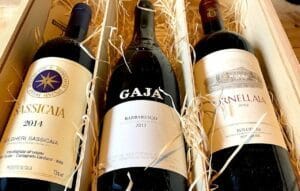
- Wine giftsWine gifts, Christmas hampers, and corporate gifts. Looking for a tasteful gift? At wijnen.nl, we have many options for wine gifts, corporate gifts, and Christmas hampers. Luxury wooden gift boxes for 1, 2, 3, or 4 bottles of Italian wine of your choice (from good basic wines of €5 to exclusive top wines). Wines from other countries on Wijnen.nl. Shipping to multiple recipients is possible. We can include a card with a personal message in the box. Look here for more information about wine gifts, Christmas hampers, and corporate gifts!
-
-
- Gift ideas
- Large format wine bottlesLooking to buy wines in large bottle sizes? Wijnclub Amsterdam has a large assortment in stock. At Wijnclub Amsterdam, we have a large selection of wines in stock (perhaps the largest selection in Amsterdam City Centre). This includes wines in large bottles such as: magnum (1.5 liters), jeroboam (3 liters), and rehoboam (5 liters). Are you looking for a large bottle of wine that we do not have in our assortment? Please contact us. We can supply many wines in large sizes upon request. What is the advantage of buying wine in large bottle sizes? Large wine bottles are ideal for special moments and offer not only an impressive presentation but also benefits for the aging and quality of the wine. Whether you are looking for a special gift or organizing a party, large bottles always ensure an unforgettable wine experience. In larger bottles, the wine ages more slowly and evenly. This ensures better flavor development and a longer shelf life. This is particularly ideal for powerful and complex wines, such as Bordeaux, Barolo, and Barno-Amarone, which often benefit from long-term aging. But we also have festive wines such as Champagne, Prosecco, Franciacorta, and Rosé in stock in large bottles in Amsterdam. Magnums: Ideal…
- Small bottles of wineAt wijnen.nl, we also have small bottles of wine. Wine in small bottles is perfect for when a large bottle would sit for too long before being finished. With a small bottle, you never drink old wine that has been sitting for too long, causing the taste to no longer be optimal. We have chosen a wine that you will enjoy drinking. Not the cheapest, but a truly delicious glass! Drink not more, but better!
- Christmas giftsHave a Christmas wine gift delivered. Wine has been one of the most beloved gifts to give during the holidays for decades. The popularity of this type of gift stems primarily from its accessibility. Giving a good bottle of wine is almost always appreciated! At Wijnclub Amsterdam, we offer the option to easily have a bottle of wine delivered as a Christmas gift. You can place your order quickly and easily in just a few simple steps. Browse our extensive range of high-quality wines from renowned wineries or choose one of our special Christmas gifts. Add a personal card and indicate your desired delivery date for the wine gift via the customer notes. This is also convenient for last-minute gifts! If you order (on working days) before 3:00 PM, we can even deliver it the next working day*. For wine gifts within the Amsterdam ring, we can sometimes even deliver on the same day after consultation. Feel free to contact us to discuss the possibilities. All corporate gifts and wine gifts come with a packing slip without prices. This way, the recipient knows who the package is from, but not how much it cost. The purchase invoice with amounts…
- CoravinWhat is a Coravin? A Coravin is a wine preservation system that makes it possible to enjoy a glass of wine without having to open the bottle. The system uses a needle that goes through the cork and injects argon gas into the bottle when pouring the wine. This prevents oxygen from reaching the wine and creates a vacuum. Because the cork remains intact, it can expand normally again to seal the small hole. This prevents the wine from oxidizing and spoiling, so you can enjoy the same bottle for longer! From weeks, months, to even years! The Coravin is a popular tool among wine lovers, sommeliers, and restaurants. Premium wines can now be served by the glass over a longer period. This way, you don't have to worry about the wine spoiling before the bottle is empty. The tool can also be used by collectors to take a sample without having to open the bottle, which reduces its value. How do you use a Coravin? Position the holder over the neck of the bottle and push firmly, in one smooth motion, over the neck of the bottle. Tilt the bottle with the spout…
- Wine glasses
- Gift ideas
-
- Gift packaging
- Gift packagingCreate your own wine gift! A bottle of wine as a thank-you or to congratulate someone is always a good present. To make it even more festive, you can add gift packaging to your order. Would you also like to add a handwritten card? That's possible! Once you have added gift packaging to your shopping cart, you will have the option to add a card. Enter your personal message, and we will take care of the rest. We ensure that your gift and personal message are delivered in perfect condition. Create your own wine package. Would you like to give a wine package as a gift? That's possible! With our luxury wine boxes with sliding lids, you can combine up to 4 wines and have them delivered in a festive box. The wine boxes are filled with wood wool to ensure the bottle remains well protected. Are you looking for inspiration for a wine gift? Then take a look at our wine gifts and wine packages! Gift Packaging: The Art of Beautifully Presenting Wine Gifts. The First Impression Counts: Gift Packaging as Visual Delight. When giving a gift, everything revolves around the first impression. Whether you are giving a bottle of wine as a gift for a special occasion, festive gift packaging adds an extra dimension of joy and anticipation. In this…
- Greeting cards
- Gift packaging
-
☰ MENU
Menu
- Red wine
- White wine
- Rosé
- Sparkling wine
- Dessert wine
- Port & Sherry
- Alcohol-free wine
- Wine gifts